Understanding Senior Care Services at The Sanctuary Senior Care
Elderly Care Services: Elevating Quality of Life for Seniors in Their Golden Years
Elderly care services are fundamental to enhancing the quality of life for older adults in their golden years. These care options extend from at-home care to assisted living facilities. They emphasize meeting personal requirements while supporting independence and dignity. Companionship and expert medical care also fulfill important roles in enhancing emotional wellness. Learning about the diverse types of care available can help families make educated choices. What elements should families evaluate when picking the right option?
What Types of Senior Care Services Are Available?
Elderly care solutions include a wide array of choices designed to address the different requirements of older adults. These offerings can be generally classified into various categories, encompassing residential care, assisted living arrangements, long-term care facilities, and daytime care centers. Residential care delivers tailored help with routine activities like bathing, food preparation, and pharmaceutical oversight, allowing seniors to retain their self-reliance in known settings. Assisted living facilities offer a more shared residential setting that merges customized support with interpersonal activities, establishing an environment conducive to engaged begin now living. Nursing homes, or professional care institutions, cater to those needing ongoing medical supervision and rehabilitation services. Adult day care programs offer relief for care providers while giving seniors community engagement and guided events during the day. All forms of support work to elevate the quality of life for seniors, ensuring their individual requirements and desires are met competently and compassionately.
How Senior Care Promotes Independence and Dignity
While working through the challenges of aging, many aging individuals find that quality senior care services play an important role in maintaining both independence and dignity. These services are developed to empower seniors, permitting them to maintain control over their daily lives. Tailored care plans provide tailored assistance that respects individual preferences, cultivating a sense of autonomy.
Senior care professionals provide support in various daily activities, such as bathing, dressing, and meal preparation, while encouraging seniors to participate as much as possible. This technique not only develops their competencies but also reinforces their self-confidence.
In addition, senior care facilities are organized to support mobility and safety, making sure that seniors can participate in activities they love without fear of injury. By combining assistance with encouragement, senior care services help copyright dignity, permitting seniors to age gracefully while living life on their terms.
The Importance of Companionship in Senior Care
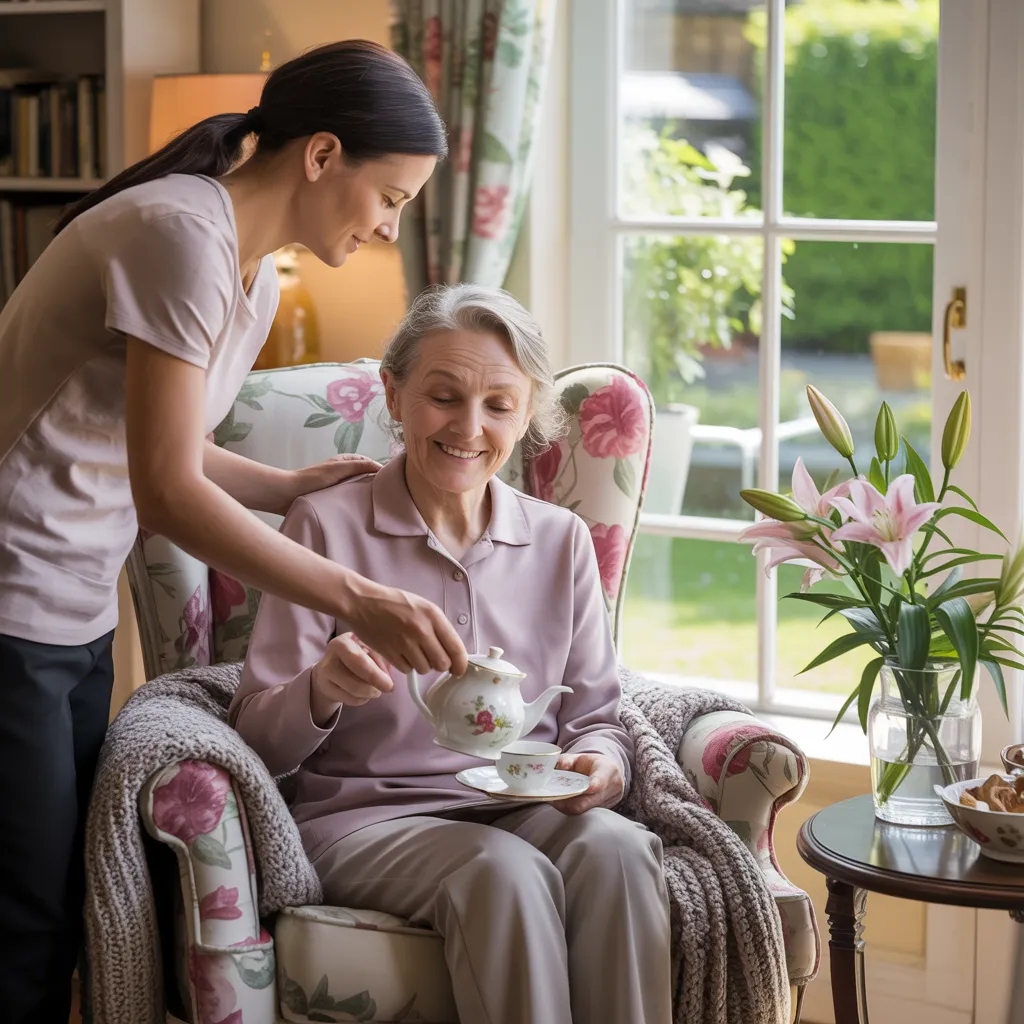
Companionship serves a vital function in the overall well-being of older adults, as human engagement can significantly improve their quality of life. Many seniors encounter isolation due to health-related restrictions or the loss of close companions, which can lead to feelings of emptiness and melancholy. Participating in regular companionship activities, such as discussions, shared meals, or leisure activities, promotes a sense of connection and meaning.
Moreover, companionship can stimulate cognitive function, encouraging seniors to remain mentally active and engaged. Through meaningful interactions, caregivers can help identify and address emotional needs, ultimately enhancing mental health. In addition, companionship delivers emotional support during tough times, giving comfort and reassurance.
Professional Healthcare in Elderly Care: Meeting Specific Health Requirements
As individuals age, their healthcare needs grow more complex, necessitating personalized medical attention to address numerous chronic conditions and age-related issues. Expert medical attention in senior care focuses on managing intricate health problems such as diabetes, heart disease, and dementia, which often require a multidisciplinary approach. Medical specialists, nurses, and healthcare providers collaborate to develop individualized care plans that incorporate the unique medical histories and preferences of each senior.
Additionally, consistent assessments and preventive actions are vital in minimizing potential health risks. The provision of specialized therapies, including occupational, physical, and speech therapy, strengthens movement capabilities and communication skills, supporting overall well-being. The integration of technology in monitoring health conditions further allows for timely interventions. By addressing these particular health needs, specialized medical care not only increases the quality of life for seniors but also promotes independence and dignity during their golden years.
How to Choose the Perfect Senior Care Option for Your Family Member
Identifying the best senior care solution entails careful analysis of the senior's unique needs, preferences, and circumstances. Families should initially evaluate the extent of care required, which can range from support with routine activities to skilled nursing care. Recognizing the senior's medical condition and mobility limitations is critical in this assessment.
Following this, families should explore various care options, such as in-home care, assisted living facilities, or nursing homes. Each option has its advantages and disadvantages, so it is vital to weigh factors like cost, location, and the quality of services available.
Moreover, families should involve the senior in discussions to acknowledge their wishes and autonomy. Touring potential facilities and meeting caregivers can give insight into the environment and care standards. In the end, the chosen option should emphasize the senior's comfort, safety, and overall wellness, ensuring a fulfilling quality of life during their golden years.
Most Asked Questions
How Do Family Members Aid Seniors Obtaining Care Services?
Loved ones can support seniors obtaining care services by sustaining regular communication, participating in care planning, coming by often, supporting with everyday activities, representing their needs, and fostering social connections to improve general wellness and contentment.
What Financial Considerations Come With Various Senior Care Alternatives?
Expenses related to senior care alternatives differ significantly. In-home care typically ranges from $20 to $50 per hour, assisted living averages $3,500 monthly, while nursing homes can exceed $10,000 monthly, contingent upon location and services provided.
Does the Government Programs Available to Help With Senior Care Expenses?
Yes, diverse government assistance programs aid with senior care costs, encompassing Medicaid, Medicare, and Supplemental Security Income. Such programs work to lessen economic hardships, guaranteeing seniors get needed care while maintaining their finances efficiently.
How Can Older Adults Stay Socially Connected While in Care?
Older adults can preserve social ties by engaging in group activities, employing technology for virtual communication, joining community clubs, or encouraging family visits. Consistent interaction nurtures connections, combating loneliness and elevating emotional well-being while in care.
What Are the Indicators That a Senior Requires Extra Care Assistance?
Warning signs that a senior necessitates extra care support include apparent weight loss, frequent falls, memory problems, disengagement from social activities, problems managing everyday tasks, and escalating confusion or disorientation, demonstrating a need for closer monitoring and assistance.